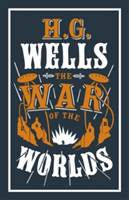
The War of the Worlds | H. G. Wells
Part of Alma Classics Evergreen series of popular classics, this new edition includes pictures and an extensive section on Wells's life and works.
Explorează categoria Carte straina pe Yodede. Consultă produsele și prețurile, apoi verifică oferta la magazinul partener.
21.971 produse găsite
Part of Alma Classics Evergreen series of popular classics, this new edition includes pictures and an extensive section on Wells's life and works.
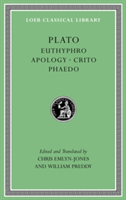
Works in this volume recount the circumstances of Socrates' trial and execution in 399 BC. Euthyphro attempts to define holiness; Apology is Socrates' defense speech; in Crito he discusses justice and defends his refusal to be rescued from prison; Phaedo offers arguments for the immortality of the soul.
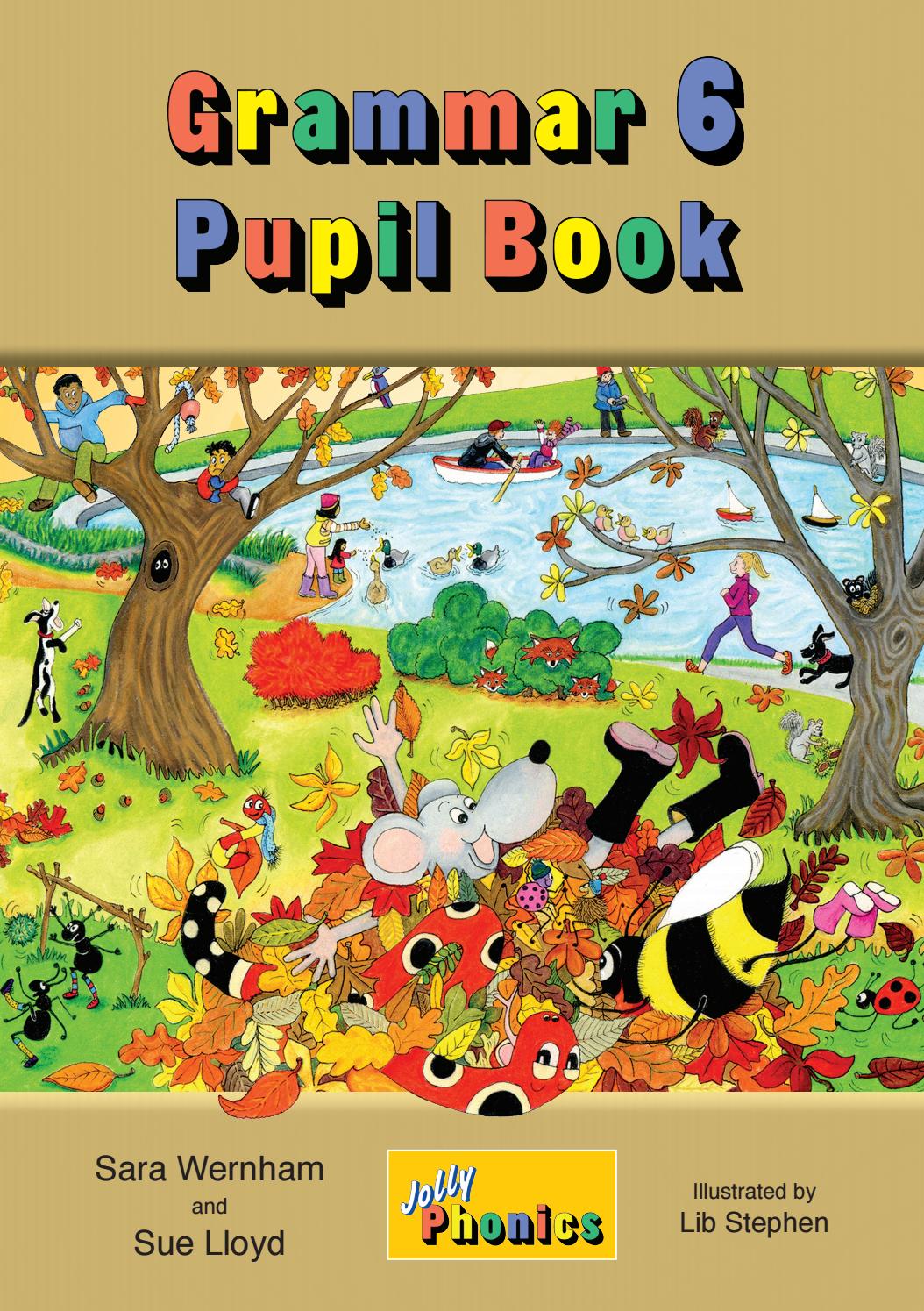
The Grammar 6 Pupil Book is designed specifcally for use with the Grammar 6 Teacher’s Book. Together, they follow on from the Grammar 1-5 Pupil and Teacher’s Books and provide the next year of grammar, spelling and punctuation teaching.The Grammar 6 Pupil Book contains 36 spelling and 36 grammar or punctuation lessons for a full year of teaching children aged 10-11 years. The lessons continue to build upon the knowledge and skills that children have been taught in previous years. There are activities for children to complete in class or as homework, which accompany the detailed lesson plans for the teacher to follow within the Grammar 6 Teacher’s Book. Topics covered within the book include:- Pre xes & suf xes, in particular numerical- Silent letters: bt, te, th- New spelling patterns/rules: ought- Schwas -ity & -ety- More alternatives: they, great, ballet, fete, straight for /ai/- New parts of speech: for example, countable and uncountable nouns, gerunds and modal verbs and imperatives- Further punctuation: using semi colons and colons or using a comma after a fronted adverbial- Developing a greater understanding of sentence structure and learning to recognise indirect objects, subject complements and passive agents- Introducing children to literary devices such as alliteration, learning to meaning of idioms and distinguishing between formal and informal writing.
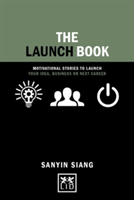
A practical guide to successfully launching ideas, careers or businesses.
This Very Short Introduction examines Voltaire's (1694-1778) remarkable life and career. Exploring his most important writings, the impact his work had on our understanding of the European Enlightenment, and his status as a literary celebrity at the time, Nicholas Cronk considers his continued relevance in literature, politics, and philosophy.
How should rulers rule? What is the nature of power? These questions had already been asked when Niccolo Machiavelli wrote The Prince in 1513. But what made his thinking on the topic different was his ability to interpret evidence: to look at old issues and find new meaning within them.Many of Machiavelli’s contemporaries thought that God would make sure morality was rewarded. To these people, it was inevitable that ethical individuals would enjoy success in this world and attain paradise in the next. Machiavelli was not so sure. He used the evidence of history to prove that people who can lie, cheat and murder tend to succeed.Machiavelli concluded that three main factors affect a political leader’s success or failure. In doing so, he reached an entirely new understanding of the meaning of his evidence. Machiavelli argued that behaving in a moral way actually hinders a ruler. If everyone acted morally, he reasoned, then morals would not be a disadvantage. But in a world in which leaders are willing to be ruthless, a moral leader would make both themselves and their state vulnerable. Machiavelli’s novel interpretation posits that morals can make a leader hesitate, and this could cost them – and the citizens they are responsible for – everything.
THE EMERGENCE OF SOUL, MEANING AND IMMORTALITY
For years, pundits have trumpeted the earthshattering changes that big data and smart networks will soon bring to our cities. But what if cities have long been built for intelligence, maybe for millennia? In Code and Clay, Data and Dirt Shannon Mattern advances the provocative argument that our urban spaces have been "smart" and mediated for thousands of years.Offering powerful new ways of thinking about our cities, Code and Clay, Data and Dirt goes far beyond the standard historical concepts of origins, development, revolutions, and the accomplishments of an elite few. Mattern shows that in their architecture, laws, street layouts, and civic knowledge-and through technologies including the telephone, telegraph, radio, printing, writing, and even the human voice-cities have long negotiated a rich exchange between analog and digital, code and clay, data and dirt, ether and ore.Mattern's vivid prose takes readers through a historically and geographically broad range of stories, scenes, and locations, synthesizing a new narrative for our urban spaces. Taking media archaeology to the city's streets, Code and Clay, Data and Dirt reveals new ways to write our urban, media, and cultural histories.
India is widely recognised as a new global powerhouse. It has become one of the world's emerging powers, rivalling China in terms of global influence. Yet people still know relatively little about the economic, social, political, and cultural changes unfolding in India today. To what extent are people benefiting from the economic boom? Does caste still exist in India? How is India's culture industry responding to technological change? And what of India's rapidly changing role internationally?This Very Short Introduction looks at the exciting world of change in contemporary India. Craig Jeffrey provides a compelling account of the recent history of the nation, investigating the contradictions that are plaguing modern India and the manner in which people, especially young people, are actively remaking the country in the twenty first century. One thing is clear: India is a country that is going to become increasingly important for the world over the next decades.ABOUT THE SERIES: The Very Short Introductions series from Oxford University Press contains hundreds of titles in almost every subject area. These pocket-sized books are the perfect way to get ahead in a new subject quickly. Our expert authors combine facts, analysis, perspective, new ideas, and enthusiasm to make interesting and challenging topics highly readable.
In Western culture, we have become addicted to positivity. We try to eradicate pain through medication and by insulating ourselves and our children from risk, even though we are the safest generation that ever lived, and often view difficulty as a personal failure. Yet in his research renowned social psychologist Brock Bastian has found that hardship and sadness are neither antithetical to pleasure nor incidental: they are a necessary ingredient for happiness.Drawing on psychology, neuroscience and internationally acclaimed findings from Bastian's own lab, The Other Side of Happiness encourages us to take a more fearless approach to living that acknowledges the value of pain in our lives. As Bastian shows us, the most thrilling moments of our lives are usually balanced on a knife edge between pleasure and pain, whether it is finding your true love, holding your new-born for the first time, finishing a marathon or even taking a dip in an icy sea. This is because hardship quite literally increases our capacity for happiness, making us stronger, more resilient and more connected to those around us.Backed by rigorous scientific research, Brock Bastian shows that, without some pain, we have no real way to achieve and appreciate happiness.
This book offers a comprehensive new analysis of the contemporary media landscape, looking at the central theories of the digital society, and the hot topics and key research methods in the field.
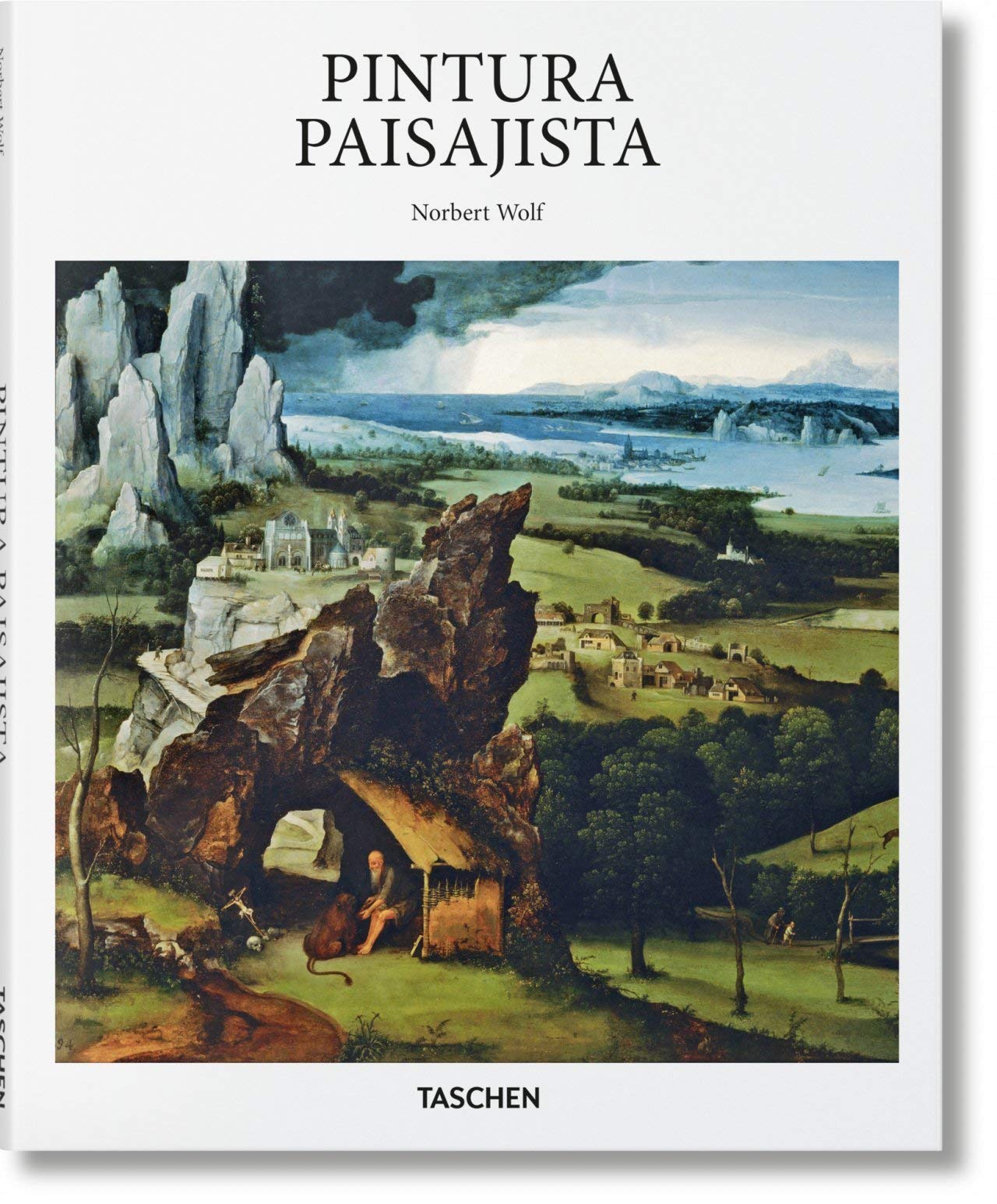
Enigmatic and ambiguous in its role as both setting and subject, the landscape has been one of the most important genres in painting for centuries. This dedicated survey spans the late Middle Ages to modern times to bring the evolution of the landscape genre to life through its most critical works, executed by groundbreaking artists as diverse as Titian and Warhol. As a form, landscapes represent the topography of the natural world as much as our own; reflecting the diversity of earth's vistas, but also keen indications of developments in representational aesthetics, religious and political history, notions of the sublime and the romantic, as well as the arrival of modernity and the vast changes wrought on the environment by industrialization and urbanization. Opening this insightful volume is an introductory essay offering a meticulous overview of the genre and its most crucial developments. Luscious double-page spreads on each of the 34 featured artworks include a crisp painting reproduction and an extensive art historical analysis on the masters of the form-including such greats as Hieronymus Bosch, Pieter Bruegel, El Greco, John Constable, Claude Monet, and David Hockney.
Opposites attract-but should they get married?!
Quoting hundreds of passages from Greek and Roman authors, this light-hearted book gives a vividly direct picture of the origins of modern medicine in the ancient world. Many of the attitudes and beliefs will seem bizarre and grotesque, while others are surprisingly similar to current thinking.
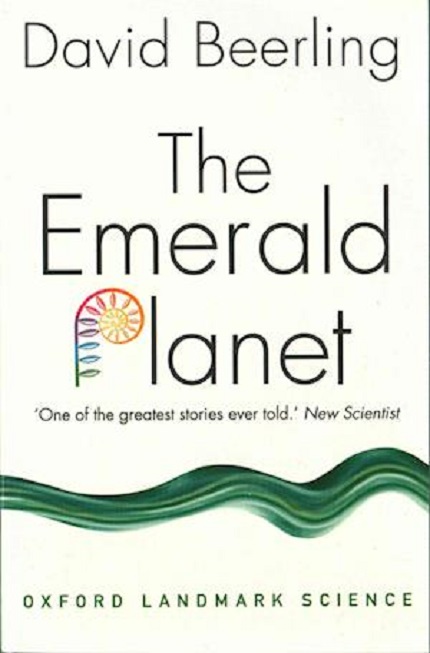
Plants have profoundly moulded the Earth's climate and the evolutionary trajectory of life. Far from being 'silent witnesses to the passage of time', plants are dynamic components of our world, shaping the environment throughout history as much as that environment has shaped them.In The Emerald Planet, David Beerling puts plants centre stage, revealing the crucial role they have played in driving global changes in the environment, in recording hidden facets of Earth's history, and in helping us to predict its future. His account draws together evidence from fossil plants, from experiments with their living counterparts, and from computer models of the 'Earth System', to illuminate the history of our planet and its biodiversity. This new approach reveals how plummeting carbon dioxide levels removed a barrier to the evolution of the leaf; how plants played a starring role in pushing oxygen levels upwards, allowing spectacular giant insects to thrive in the Carboniferous; and it strengthens fascinating and contentious fossil evidence for an ancient hole in the ozone layer. Along the way, Beerling introduces a lively cast of pioneering scientists from Victorian times onwards whose discoveries provided the crucial background to these and the other puzzles.This understanding of our planet's past sheds a sobering light on our own climate-changing activities, and offers clues to what our climatic and ecological futures might look like. There could be no more important time to take a close look at plants, and to understand the history of the world through the stories they tell.Oxford Landmark Science books are 'must-read' classics of modern science writing which have crystallized big ideas, and shaped the way we think.
Firmly focused on grade improvement in Cambridge International AS & A Level examinations, this Exam Success Guide brings some much-needed clarity to exam preparation. The guide features sample questions, practical tips, guidance on examiner expectations and plenty of practice opportunities. Answers are available on the accompanying support site.
Get in the cockpit, take the controls and experience the enormous wonder of how we, as a flying species, come home. And with Mark Vanhoenacker as your guide, you're guaranteed a smooth landing.
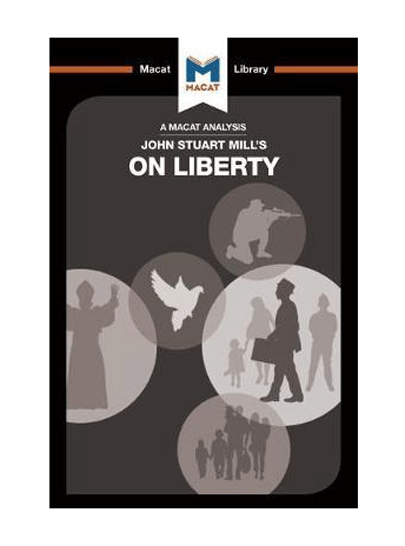
In his wonderfully clear and cogent essay On Liberty, Mill contends that individuals should be as free as possible from interference by government. Proposing that individual fulfilment is the surest route to collective happiness, he argues passionately against the "tyranny of the majority," and sets out to create an alternative view of a practical politics that sets proper limits on the powers of government and society.The result, Mill argues, will be not only greater freedom, but also improved social progress. He reached these conclusions by re-interpreting a large body of existing political and philosophical thought – introducing insights drawn from several different schools of thought, and thereby creating an unparalleled defense of classic liberal principals. Much of the clarity of thought that Mill has become celebrated for is the product of his ability to explain meaning, define terms, and highlight problems and issues of definition – making him an exemplar of high quality interpretive thinking.
Here is a new, fourth edition of this authoritative introductory survey of world prehistory, spanning the past 3,000,000 years and written by a team of twenty-four expert authors. This edition has been radically updated to be more thematic and accessible: chapters are connected by new key themes boxes (climate change, domestication, migration, social inequality and urbanism), which link global regions and encourage big-picture thinking. The text has been streamlined and the book’s design completely revamped: it is now in full colour throughout, with more than 50% more colour images than the previous edition. There is increased coverage of the Americas, with a brand-new chapter, The Origins and Dispersal of the First Americans. Revisions take into account the latest sites and discoveries, including Homo naledi and the new LiDAR surveys of Angkor Wat. Each chapter begins with a newly designed, easier-to-use timeline, and features boxes on key sites, key discoveries, key controversies and, as above, key themes. All of the key methods boxes from the previous edition have been consolidated into the Introduction and now offer an up-front primer of archaeological methods and practices. Tables and maps are simplified and easier to use.
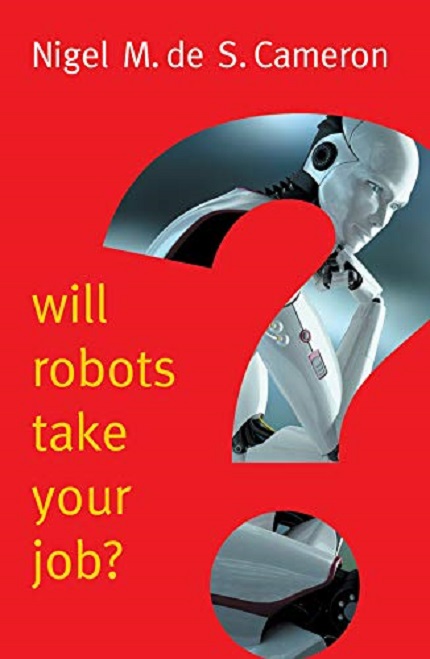
The trend that began with ATMs and do-it-yourself checkouts is moving at lightning speed. Everything from driving to teaching to the care of the elderly and, indeed, code-writing can now be done by smart machines. Conventional wisdom says there will be new jobs to replace those we lose – but is it so simple? And are we ready?Technology writer and think-tank director Nigel Cameron argues it's naive to believe we face a smooth transition. Whether or not there are "new" jobs, we face massive disruption as the jobs millions of us are doing get outsourced to machines. A twenty-first-century "rust belt" will rapidly corrode the labor market and affect literally hundreds of different kinds of jobs simultaneously.Robots won't design our future – we will. Yet shockingly, political leaders and policy makers don't seem to have this in their line of sight. So how should we assess and prepare for the risks of this unknown future?
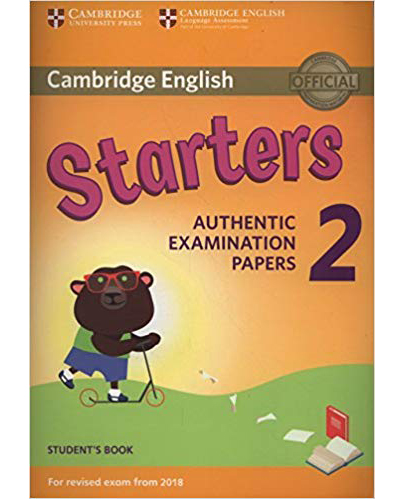
Authentic examination papers for learners preparing for the revised Cambridge English: Young Learners from 2018. This collection of examination papers for Starters provides ideal exam practice. It contains three full-colour test papers which contain engaging activities and attractive illustrations to motivate young learners. These papers also provide an excellent opportunity for children, parents and teachers alike to familiarise themselves with the format of the revised test. An Audio CD (which contains the listening sections of the tests) and an Answer Booklet are also available separately.
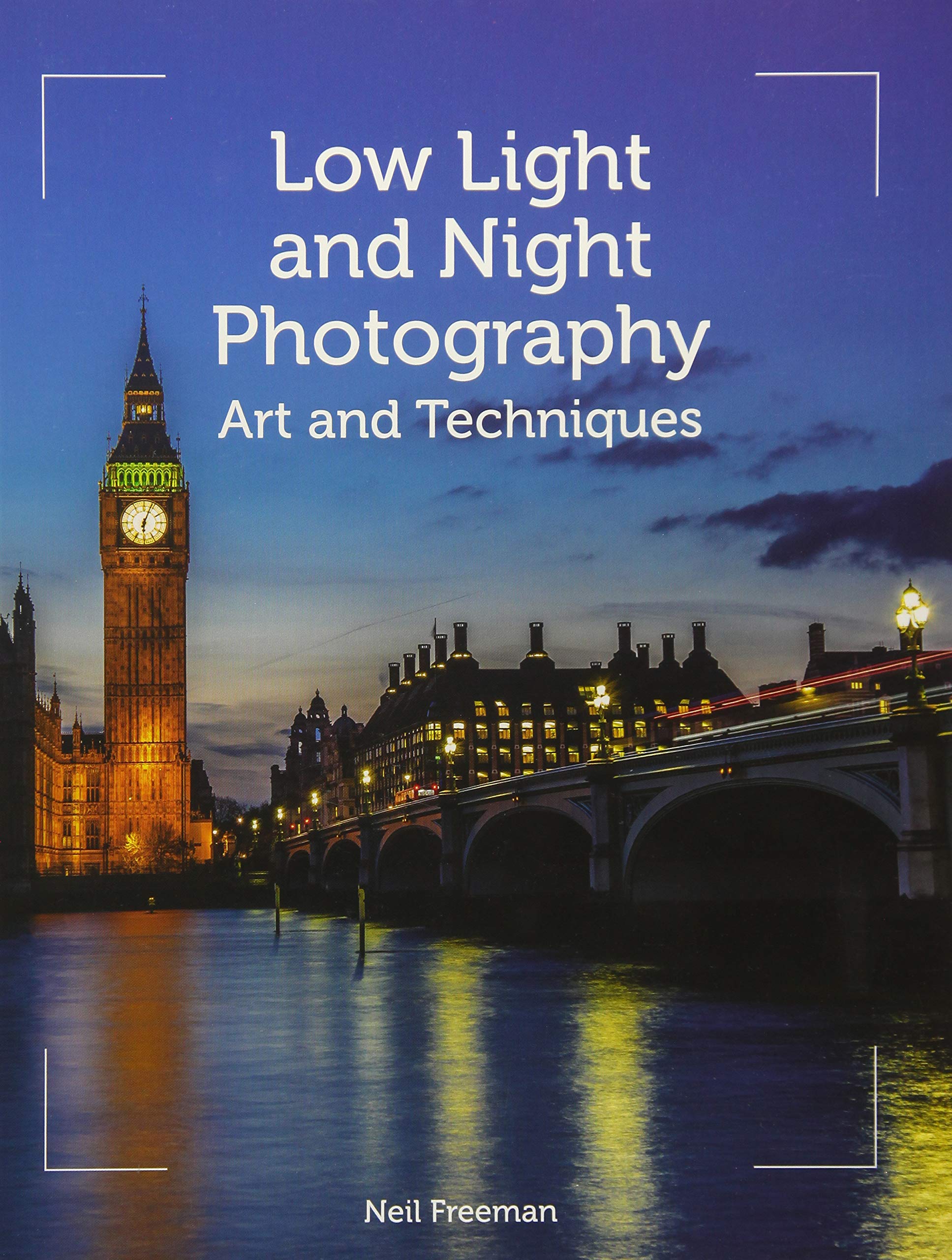
Understanding and using light is key to all photography. This book explains how to take and create stunning shots without much light but still retaining impact and depth. It shows you how to capture the drama and excitement of a scene by using colours, shapes and shadows, and then how to reveal hidden details with digital manipulation.
A boat is a hole in the water that you put your passion into. Movable homes provide endless opportunities for exploration and changes of scenery. Modified ferries allow ample space for families. Shanty boats inspire images of Huck Finn's literary journey and youthful spirit. Former cruise ships become charming hotels. These floating domiciles showcase alternative living solutions from the private to the commercial. From the romantic lakes of Kashmir to the Bay of Venice, houseboats claim their space atop the water worldwide. These charismatic and aquatic homes provide refuge from being landlocked and promise to satisfy curious natures. A Life Afloat profiles the imaginative inhabitants and designers behind these houseboats; the volume offers inspiration to anyone interested in a touch of escape from a weekend change of scenery to a permanent change of address.
It’s the old story. When TASCHEN released the first limited edition of R. Crumb Sketchbooks: 1982–2011, fans drooled over the gorgeous packaging of this six-volume boxed set, the artist’s thoughtful editing, the hand-written introduction, marbleized page edges, and signed Crumb colored art print. Not all, however, could afford the steep price. So they whined and coveted, with the wail growing louder when the second boxed set, 1964–1982, was released the next year.Covet no more. R. Crumb Sketchbook, Volume 2: Sept. 1968 – Jan. 1975 combines the two middle volumes from the second boxed set, produced directly from the original artworks now belonging to an ardent French collector, into one fat 444-page Crumb feast, at an irresistible price. This book contains hundreds of sketches from the master of underground comic art, including cover roughs for Zap, Motor City and Despair comics, the introduction of Aline, the first female Yetis, Flakey Foont and Mr. Natural, Honeybunch Kaminski, San Francisco drug culture and big buoyant butts, all wrapped up in a quality hard cover featuring front and back illustrations newly hand-colored by Crumb himself.
125.875 produse din 7 magazine partenere. Caută, filtrează și alege ce ți se potrivește.
Produse din

Tu alegi,

Idei pentru o viață