Granta No. 150 |
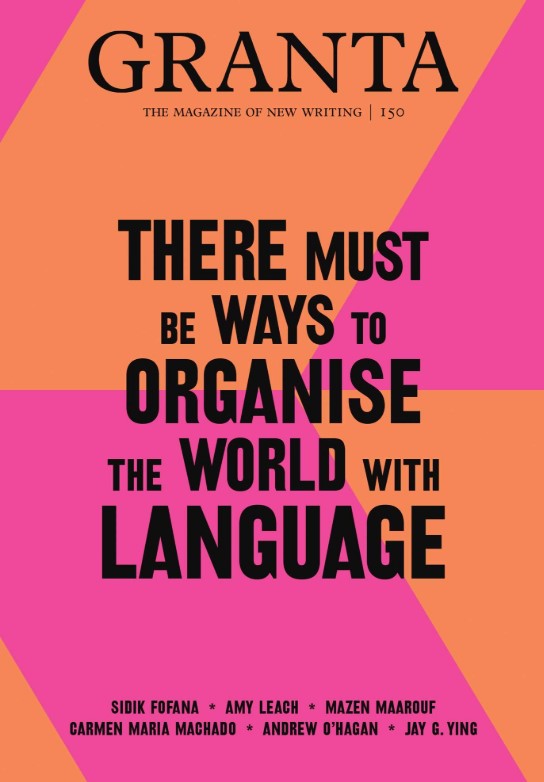
The English language is like London, a cluster of myriad villages, each with its own atmosphere and particular cadences. This issue – our 150th – celebrates language, showcasing some of the most inventive writers of fiction today.
Explorează produse și prețuri din magazine partenere. Folosește filtrele pentru a ajunge mai repede la ceea ce cauți.
116 produse găsite
The English language is like London, a cluster of myriad villages, each with its own atmosphere and particular cadences. This issue – our 150th – celebrates language, showcasing some of the most inventive writers of fiction today.
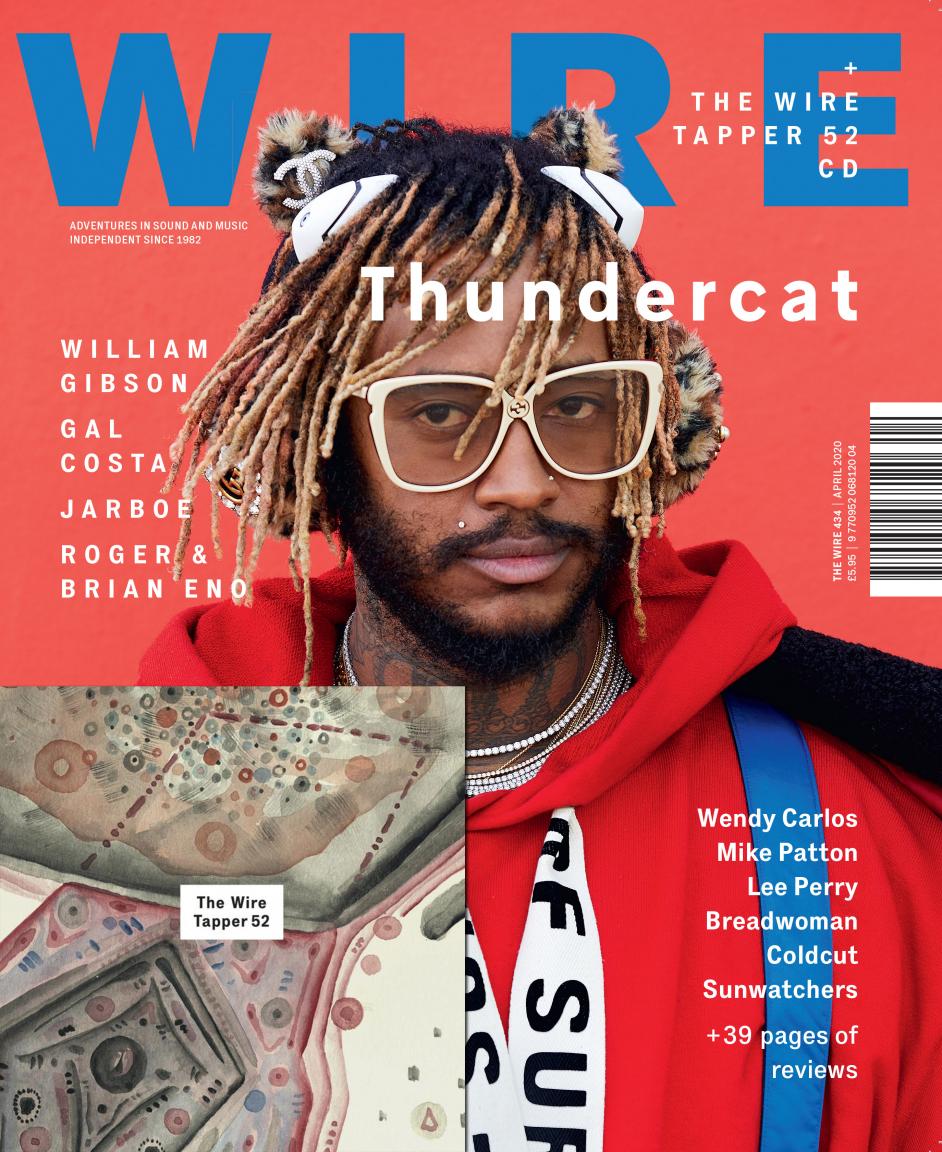
Thundercat graces the cover this month and supplies an interview on his career, from playing with Suicidal Tendencies to leading the current jazz scene.Sci-fi prophet William Gibson is tested by the Invisible Jukebox alongside an interview with the Eno brothers, and features on Gal Costa, Jarboe, Jessica Ekomane, and a Global Ear directed to Los Angeles. Includes all the usual news, reviews and listings, too.
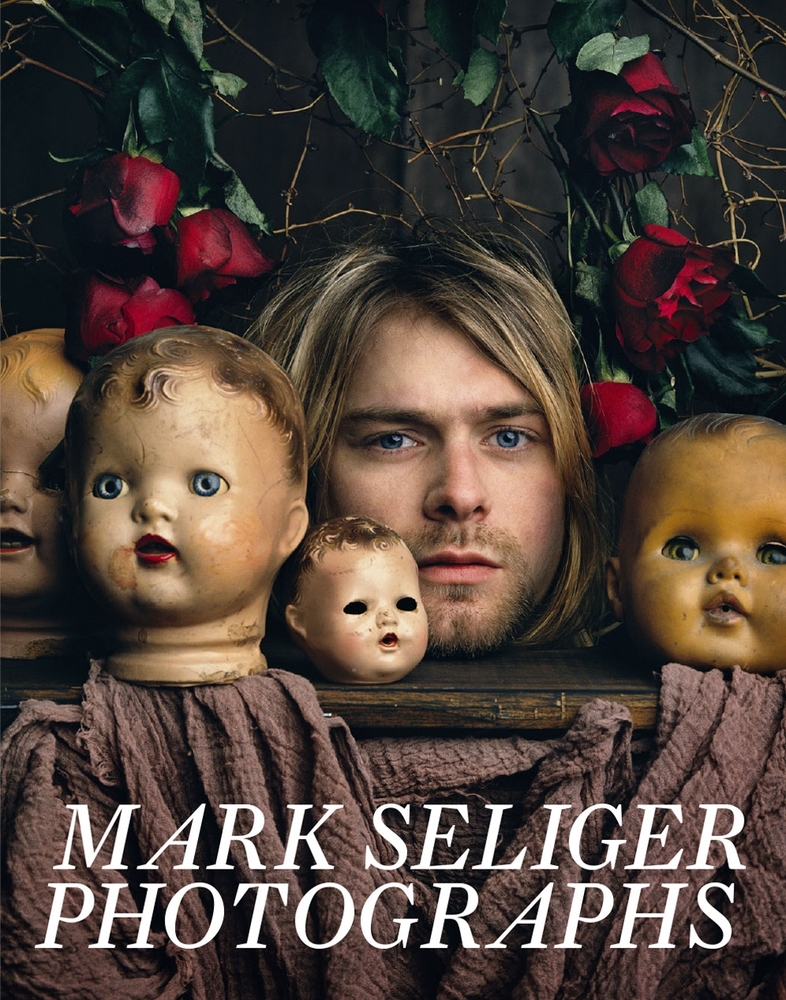
Mark Seliger’s extraordinary portfolio is 30 years in the making. In 1987 Seliger began shooting small assignments for Rolling Stone; in 1992 he became their chief photographer, a position he kept for 15 years. During the course of his time at the magazine, he photographed more than 125 covers. He has captured some of the most iconic images of the most famous and influential faces of our time, including Kurt Cobain, Nelson Mandela, Leonardo DiCaprio, Barack Obama, Hillary Clinton, Emma Stone, Angelina Jolie, Bruce Springsteen, David Byrne, Matthew Barney, Jennifer Lawrence, Mick Jagger, Bob Dylan, Jerry Seinfeld, Jay-Z, Misty Copeland, Amy Schumer, and Paul McCartney. Mark Seliger Photographs showcases his best-known portraiture, as well as never before seen outtakes and select standouts from his landscape and personal work including portraits of Holocaust survivors and transgender men and women on Christopher Street, and documentary photography of Cuba. Accompanying the photographs is an interview between Mark Seliger and Judd Apatow, in which Seliger shares stories behind some of his most iconic work: Kurt Cobain showing up for a Rolling Stone shoot in a “Corporate Magazines Still Suck” T-shirt; taking a road trip with Brad Pitt; and navigating a room full of Tibetan monks while shooting His Holiness the Dalai Lama. In addition, the book also features an essay by Lyle Lovett. Mark Seliger Photographs is the ultimate celebration of one of the most in-demand portrait photographers.
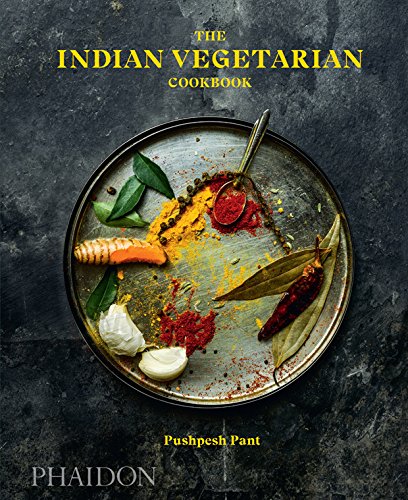
Vegetables are an integral part of Indian cuisine - and this collection of 150 healthy and approachable vegetarian recipes showcases an array of delicious breakfasts and drinks, salads, vegetables and legumes, grains, and desserts. Drawing inspiration from India's myriad regions and culinary traditions, Pushpesh Pant simplifies this hugely popular cuisine with easily achievable, nourishing, and authentic dishes so tasty and satisfying that they are suitable for vegetarians, meat-eaters, and those simply wishing to reduce the amount of meat in their diet.
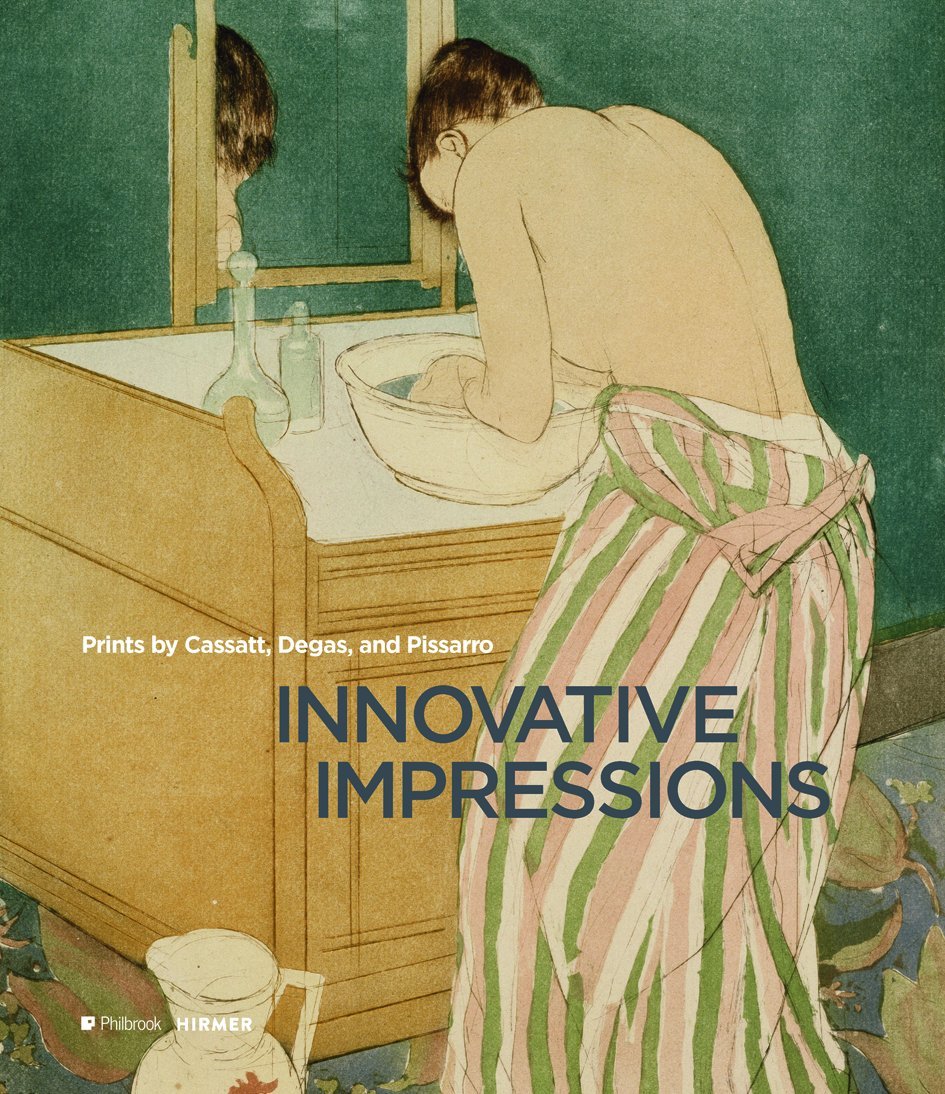
Innovative Impressions explores an under-examined aspect of three impressionists’ careers: their groundbreaking prints and the new techniques they developed through collaboration and experimentation. In 1879, Mary Cassatt, Edgar Degas, and Camille Pissarro formed the most active core of a group of artists planning a periodical to feature their prints.Through this collaborative effort they challenged each other to develop a new language of printmaking whose visual and expressive potential went well beyond the traditional reproductive purpose of the medium. Indeed, the intimacy of small-scale works on paper at times spurred the artists to be even more daringly creative than they were in their paintings.Their interactions and engagement with printmaking varied over time, culminating in the 1890s, when each developed distinctive methods of introducing color into their work. For much of their careers this unlikely trio of artists inspired and challenged each other, and these dynamics played a crucial role in their creative processes.
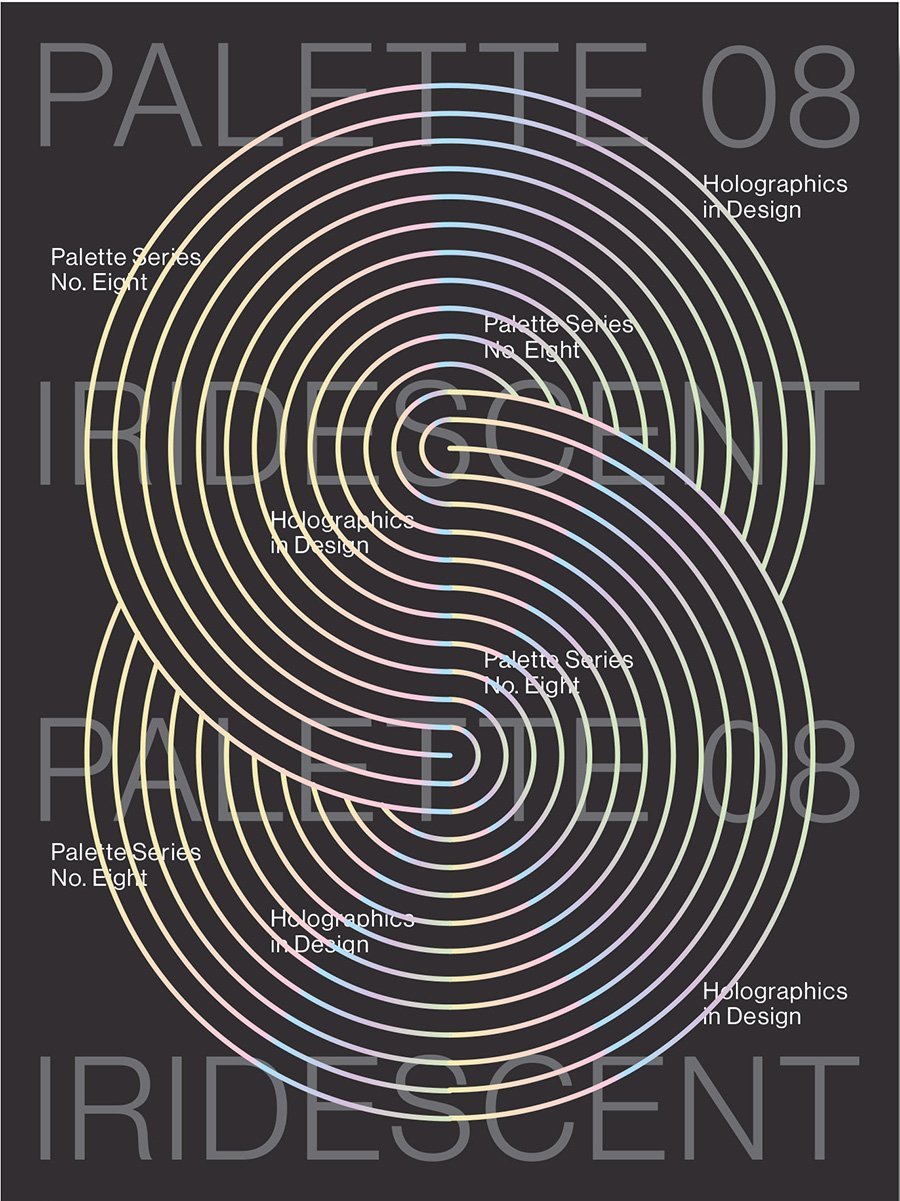
Light has fascinated human beings since the dawn of mankind. To that end, iridescence is a compelling means to ideate and create, due to its ability to interact with light to produce captivating multi-coloured illusions that shift with the viewer’s vantage point. Its kaleidoscopic nature also allows it to be subtle yet striking all at once, making it a versatile finish with lasting visual impact that pops. PALETTE 08: Iridescent explores the power and possibilities of a colour and a palette both existing in a single form through more than 100 creative projects from all around the world. Whether they are applied to create depth and dimension or used to transform physical attributes and perspectives, discover how artists and designers today are experimenting with holographic hues to generate new work and realms that intrigue and inspire.
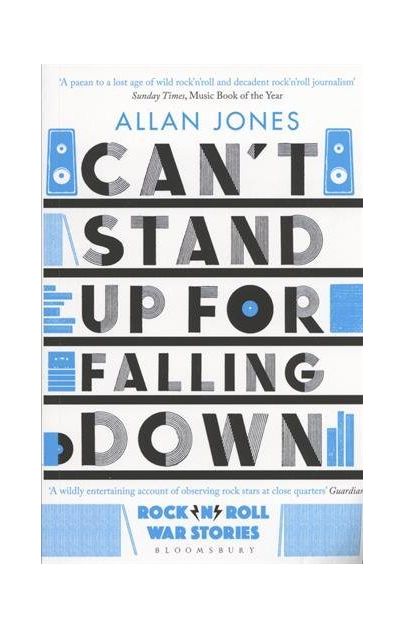
Allan Jones launched Uncut magazine in 1997 and for 15 years wrote a popular monthly column called Stop Me If You've Heard This One Before, based on his experiences as a music journalist in the 70s and 80s, a gilded time for the music press.By turns hilarious, cautionary, poignant and powerful, the Stop Me...stories collected here include encounters with some of rock's most iconic stars, including David Bowie, Lou Reed, Leonard Cohen, Van Morrison, Neil Young, Elvis Costello, The Sex Pistols, The Clash, The Smiths, R.E.M. and Pearl Jam. From backstage brawls and drug blow-outs, to riots, superstar punch-ups, hotel room confessionals and tour bus lunacy, these are stories from the madness of a music scene now long gone.
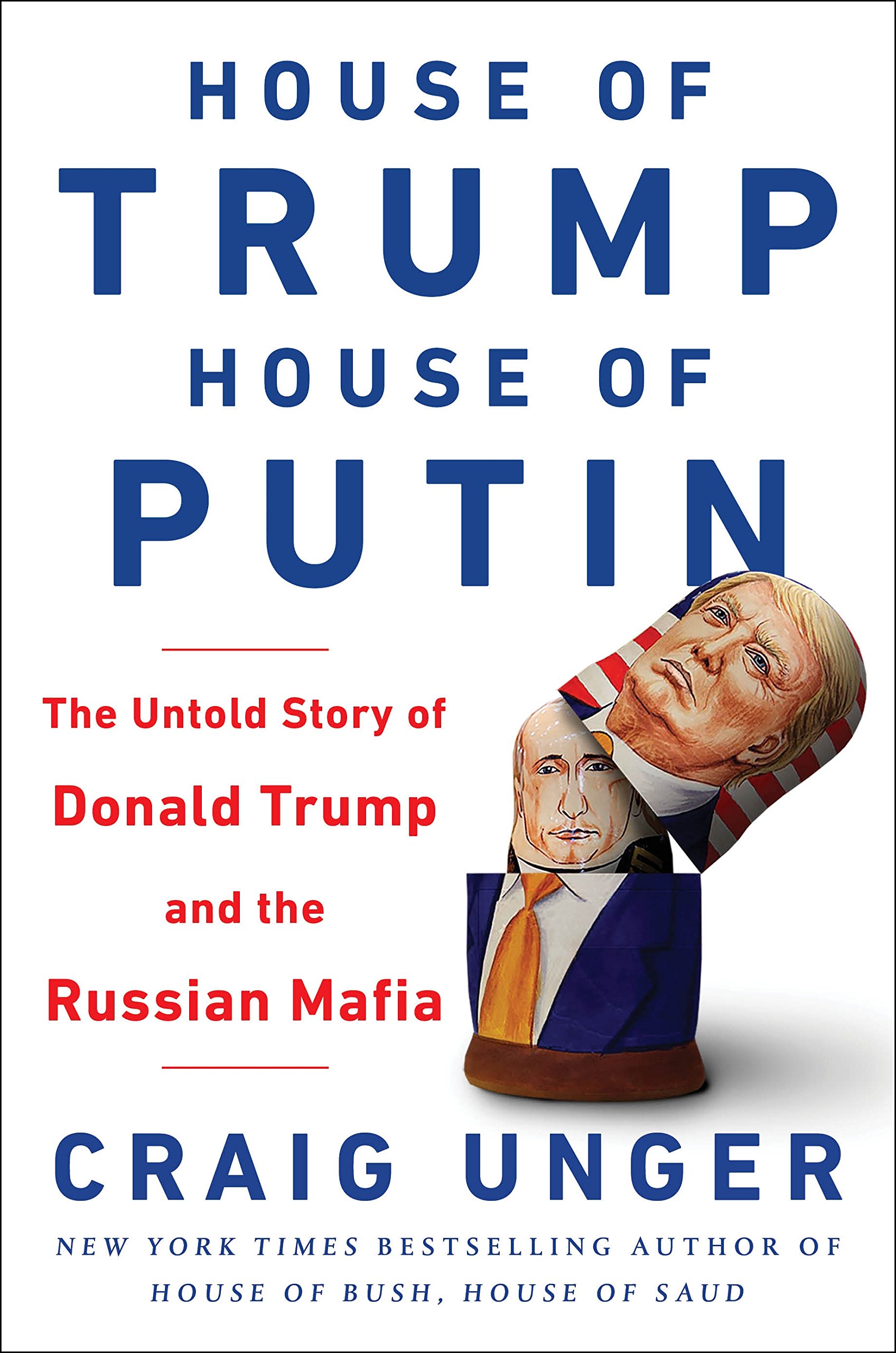
It is a chilling story that begins in the 1970s, when Trump made his first splash in the booming, money-drenched world of New York real estate, and ends with Trump’s inauguration as president of the United States. That moment was the culmination of Vladimir Putin’s long mission to undermine Western democracy, a mission that he and his hand-selected group of oligarchs and assosciates had ensnared Trump in, starting more than twenty years ago with the massive bailout of a string of sensational Trump hotel and casino failures in Atlantic City. This book confirms the most incredible American paranoias about Russian malevolence. To most, it will be a hair-raising revelation that the Cold War did not end in 1991―that it merely evolved, with Trump’s apartments offering the perfect vehicle for billions of dollars to leave the collapsing Soviet Union. In House of Trump, House of Putin, Craig Unger methodically traces the deep-rooted alliance between the highest echelons of American political operatives and the biggest players in the frightening underworld of the Russian Mafia. He traces Donald Trump’s sordid ascent from foundering real estate tycoon to leader of the free world. He traces Russia’s phoenixlike rise from the ashes of the post–Cold War Soviet Union as well as its ceaseless covert efforts to retaliate against the West and reclaim its status as a global superpower. Without Trump, Russia would have lacked a key component in its attempts to return to imperial greatness. Without Russia, Trump would not be president. This essential book is crucial to understanding the real powers at play in the shadows of today’s world.
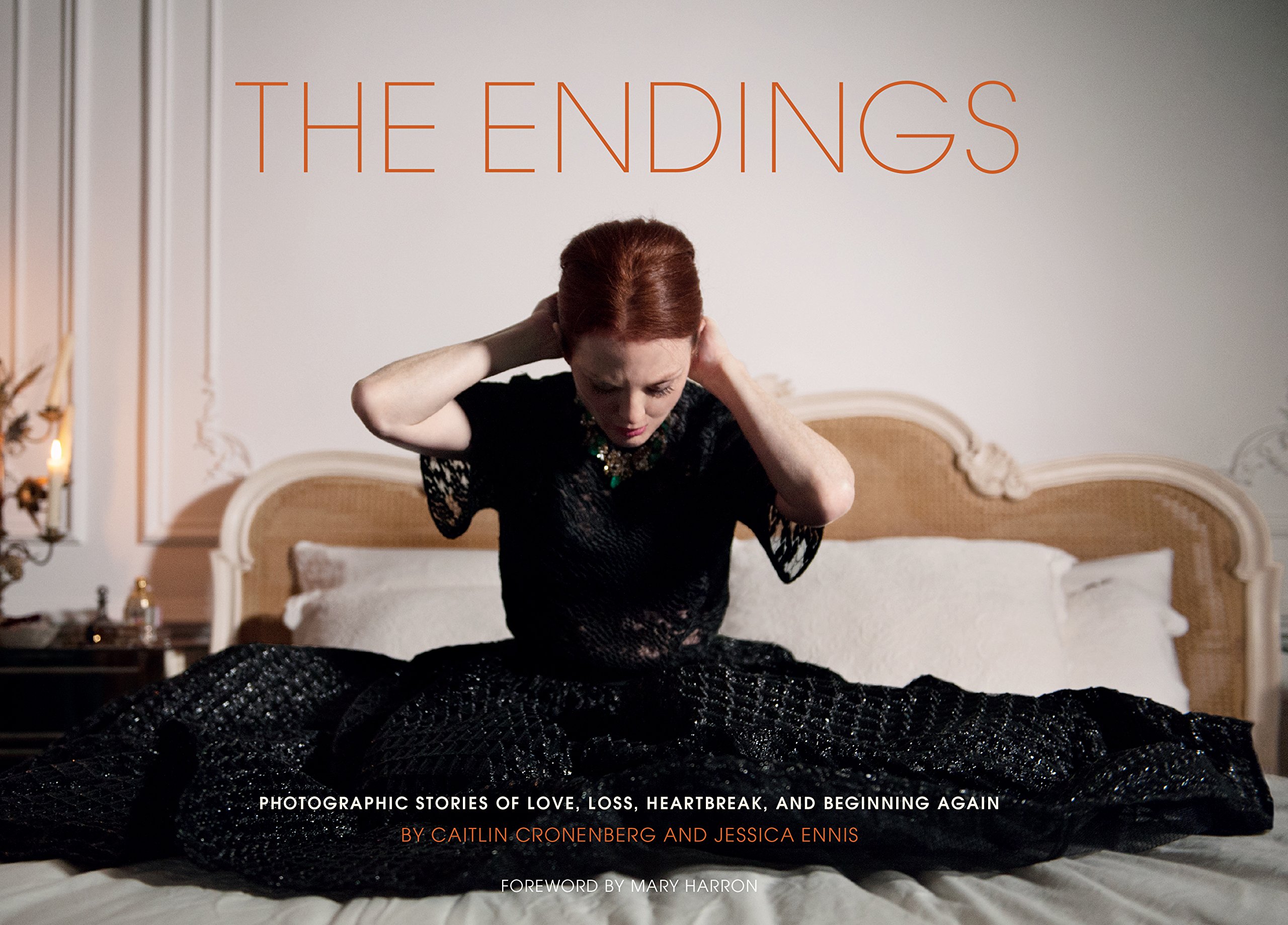
Featuring some of today's most beloved actors, these piercing photographic vignettes capture female characters in the throes of powerful emotional transformations. Photographer Caitlin Cronenberg and art director Jessica Ennis collected stories of heartbreak, relationship endings, and new beginnings―fictional but often inspired by real life―and set out to convey the raw emotions that are exposed in those most vulnerable of states. Collaborating with celebrated talents such as Julianne Moore, Keira Knightley, and Gugu Mbatha-Raw, Cronenberg and Ennis developed each character, built her world, and then photographed as she lived the role before the camera. The resulting collection is a bold look at the experience of losing or leaving love and will speak to anyone who appreciates art, photography, and the strength of facing emotional depths head-on.
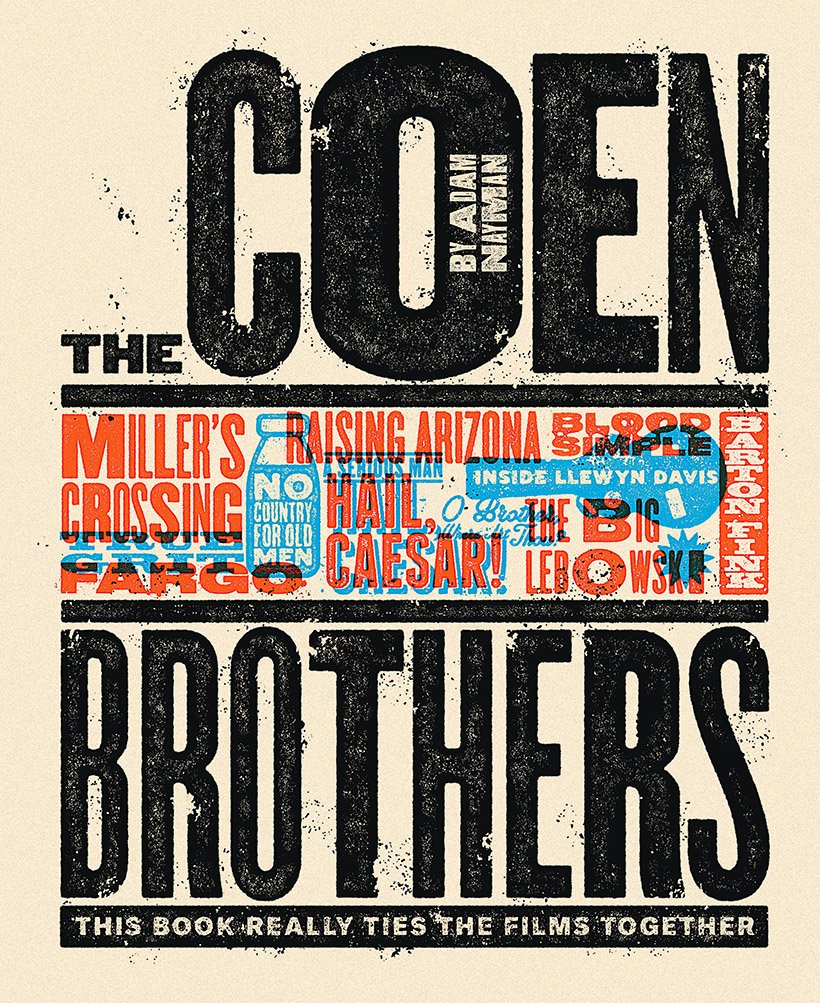
From such cult hits as Raising Arizona (1987) and The Big Lebowski (1998) to major critical darlings Fargo (1996), No Country for Old Men (2007), and Inside Llewyn Davis (2013), Ethan and Joel Coen have cultivated a bleakly comical, instantly recognizable voice in modern American cinema. In The Coen Brothers: This Book Really Ties the Films Together, film critic Adam Nayman carefully sifts through their complex cinematic universe in an effort to plot, as he puts it, “some Grand Unified Theory of Coen-ness.” The book combines critical text―biography, close film analysis, and enlightening interviews with key Coen collaborators―with a visual aesthetic that honors the Coens’ singular mix of darkness and levity. Featuring film stills, beautiful and evocative illustrations, punchy infographics, and hard insight, this book will be the definitive exploration of the Coen brothers’ oeuvre.
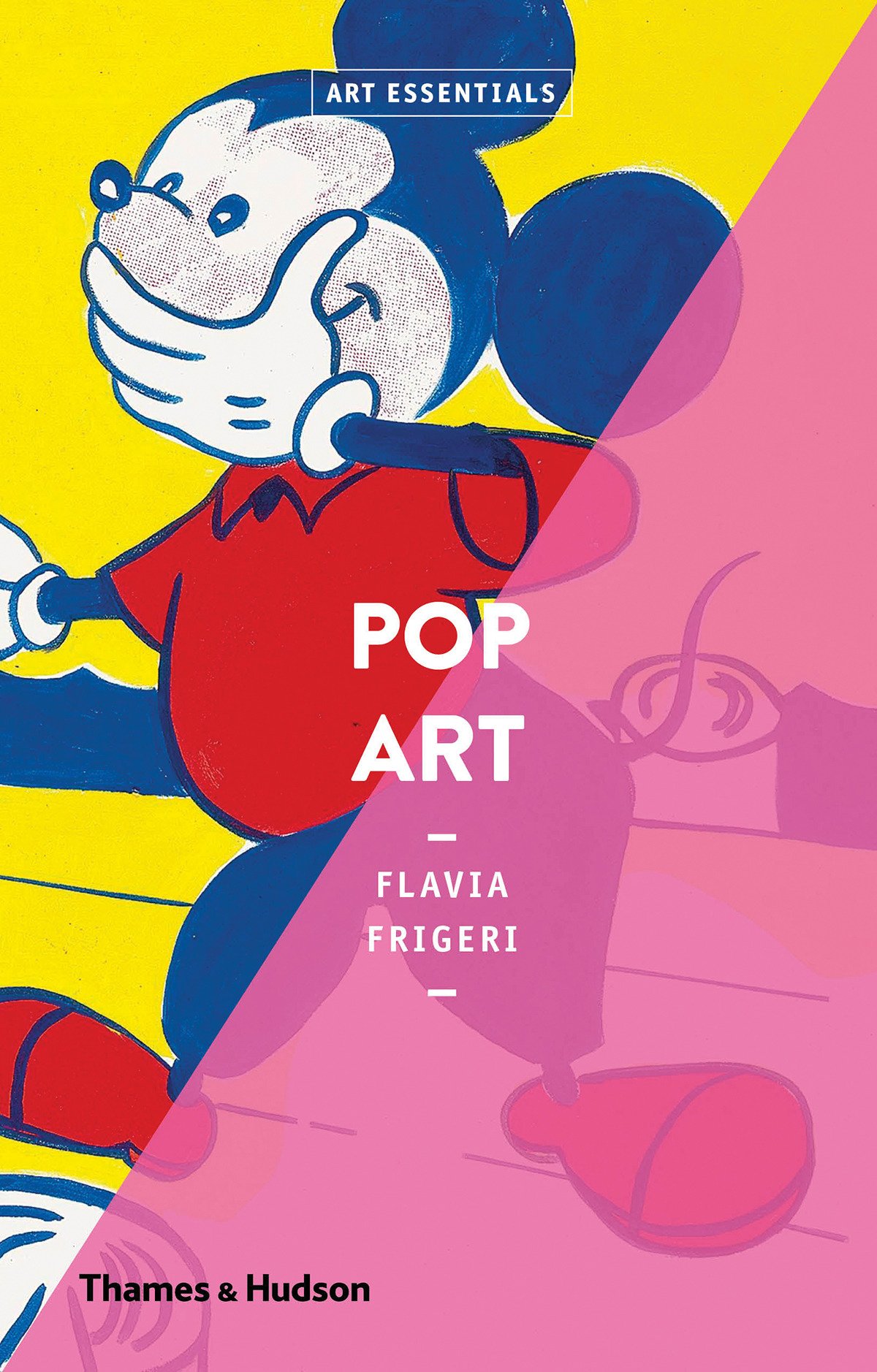
With its bold colours, flashy imagery and ironic spirit, Pop Art trespasses the traditional boundaries separating high from low culture. Flavia Frigeri introduces us to a movement that focuses on everyday objects, from its beginnings in the post-war consumerism of America and Britain to its fascinating rise on a global scale in the 1960s. The work of well-known artists, such as Andy Warhol, Roy Lichtenstein, Richard Hamilton and Peter Blake, is set in dialogue with that of Japanese Ushio Shinohara, Venezuelan Marisol and Argentinian Marta Minujin, among others. Organized around key themes common to all Pop Art, including advertising, politics, the domestic realm, consumer goods, art history, celebrity culture, war and the space race, this is an essential introduction to the movement that transformed the ‘popular’ into art. A reference section includes a useful timeline, glossary of Pop terms and suggestions for further reading.
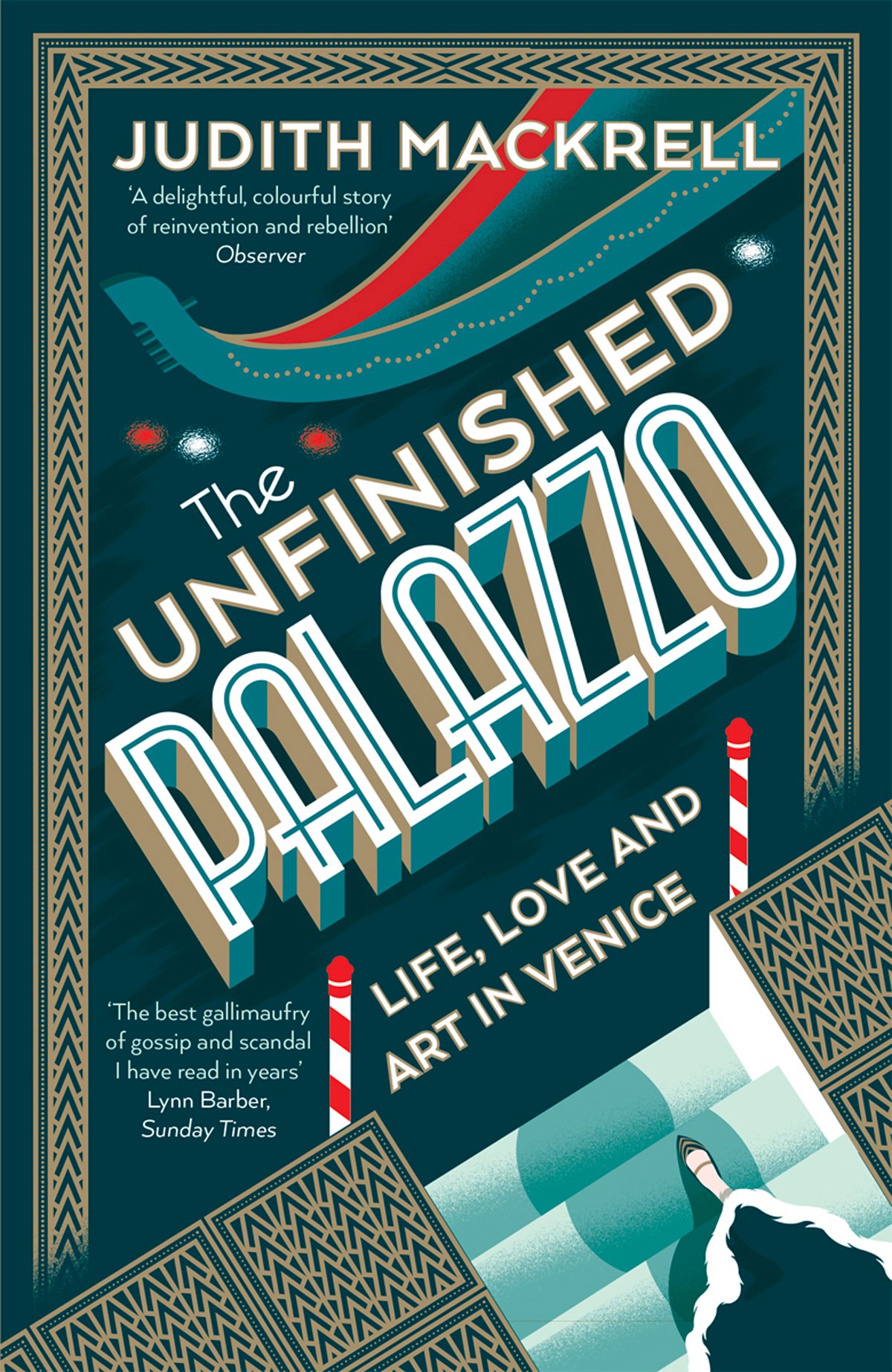
Abandoned unfinished and left to rot on Venice’s Grand Canal, ‘il palazzo non finito’ was once an unloved guest among the aristocrats of Venetian architecture. Yet in the 20th century it played host to three passionate and unconventional women who would take the city by storm. The staggeringly wealthy Marchesa Luisa Casati made her new home a belle epoque aesthete’s fantasy and herself a living work of art; notorious British socialite Doris Castlerosse (nee Delevingne) welcomed film stars and royalty to glittering parties between the wars; and American heiress Peggy Guggenheim amassed an exquisite collection of modern art, which today draws visitors from around the world.Each in turn used the Unfinished Palazzo as a stage on which to re-fashion her life, with a dazzling supporting cast ranging from D’Annunzio and Nijinsky, through Noel Coward, Winston Churchill and Cecil Beaton, to Yoko Ono. Individually sensational and collectively remarkable, these stories of modern Venice tell us much about the ways women chose to live in the 20th century.
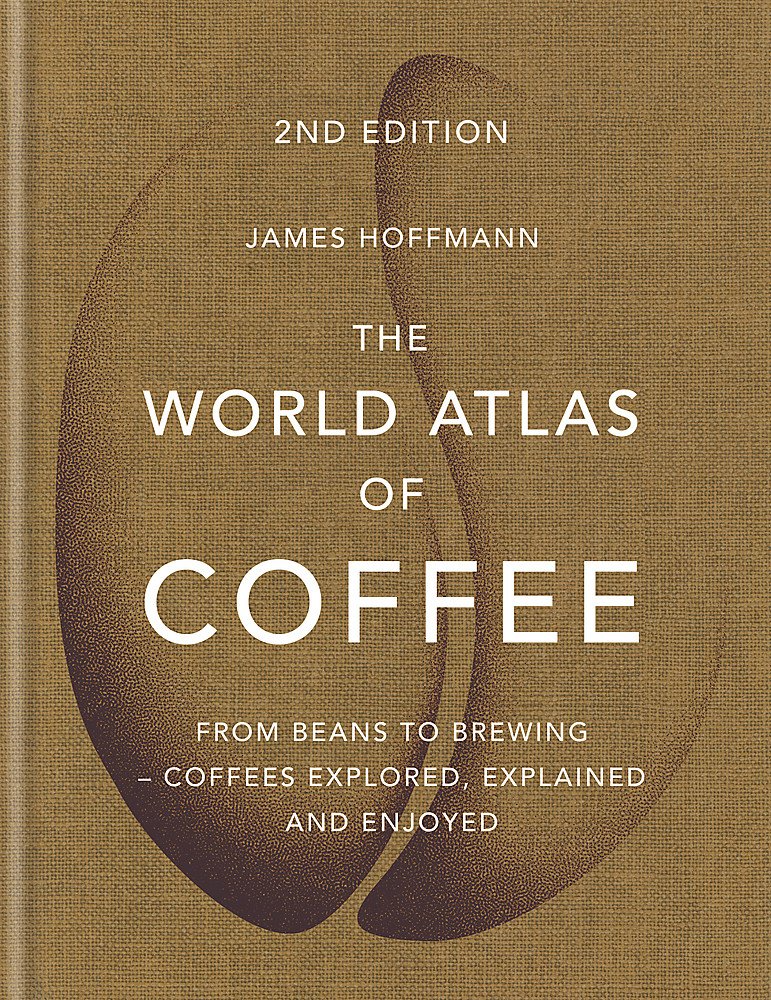
Coffee has never been better, or more interesting, than it is today. Coffee producers have access to more varieties and techniques than ever before and we, as consumers, can share in that expertise to make sure the coffee we drink is the best we can find. Where coffee comes from, how it was harvested, the roasting process and the water used to make the brew are just a few of the factors that influence the taste of what we drink. Champion barista and coffee expert James Hoffmann examines these key factors, looking at varieties of coffee, the influence of terroir, how it is harvested and processed, the roasting methods used, through to the way in which the beans are brewed.Country by country - from Bolivia to Zambia - he then identifies key characteristics and the methods that determine the quality of that country's output. Along the way we learn about everything from the development of the espresso machine, to why strength guides on supermarket coffee are really not good news. This is the first book to chart the coffee production of over 35 countries, encompassing knowledge never previously published outside the coffee industry. For everyone who wants to understand more about coffee and its wonderful nuances and possibilities, this is the book to have.
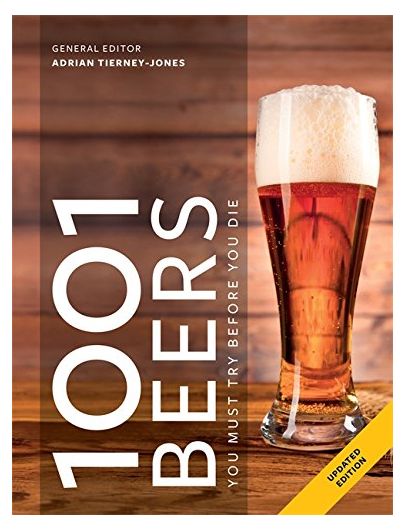
Fully revised and updated, 1001 Beers You Must Try Before You Die is a comprehensive and indispensable guide to the very best beers in the world, featuring world classics such as the finest traditional Czech pilsners, the best of Bavaria's refreshing wheat beers, England's Marble Chocolate beer, France's Vivat Blonde boutique beer and the cream of the new wave, cutting-edge, hophappy beers from the West Coast of America.From the 1980s real ale revival in Britain to the explosion of microbreweries in the United States, there has neverbeen a better time to discover, and enjoy, the astounding variety of beers available. Many beers are undoubtedly more complex than some wines, both in their taste and in the method of their manufacture. A tribute to the burgeoning number of specialist and craft beers from around the world, this stunning book from the acclaimed 1001 series is illustrated with more than 800 photographs of beer bottles, glasses, labels, posters and breweries.Written in an informative and entertaining style by an international panel of experts, 1001 Beers You Must Try Before You Die also features critical tasting notes that will help you to match the right beer to the right food. Each description includes notes on the flavour and body of the beer, explains why it tastes the way it does and describes its strength and ideal serving temperature.
Masters of the Battlefield examines the lives and tactics of 28 of the world's greatest military leaders, from Julius Caesar to Stormin' Norman Schwarzkopf. Arranged chronologically, each general is represented by a double-page spread containing a biography, a list of his most important dates and battles and a map showing all his campaigns. Each commander's most famous victory is illustrated and described in detail on a specially commissioned step-by-step full-colour battle map. Written by on of Britains most successful commanders Major General Thompson, whose expert analysis provides a rich commentary on each individual genius, from Alexander the Great to Hannibal, Rommel to MacArthur up to Norman Schwarzkopf. This is military history writing at it's best.
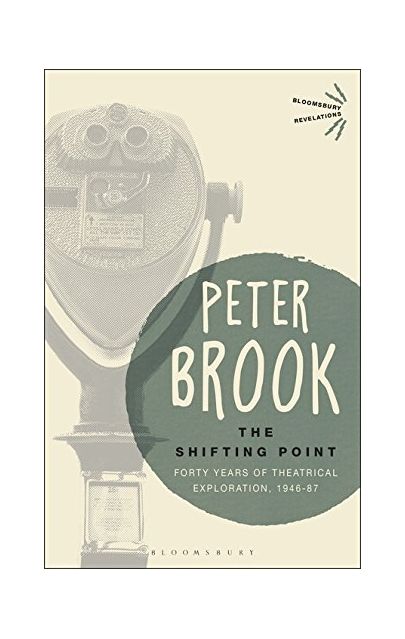
Hailed as 'the theatrical event of this century' (Sunday Times), Peter Brook's unique dramatization of India's great epic poem, The Mahabharata played to ecstatic audiences worldwide. In The Shifting Point, one of theatre's great visionaries assesses the lessons of his pioneering work from his brilliant debut at Stratford and the West End in the 1960s to the triumphant success of The Mahabharata. With the bravura and insight of a great practitioner and explorer he reveals some of the inspiration behind his extraordinary career. Published in Bloomsbury's Revelations series, Brook's account covers many of the groundbreaking productions that cemented his reputation as 'one of the artistic geniuses of our time' (San Franciso Herald): his controversial productions of King Lear and Romeo and Juliet; the three-month period in Africa which culminated in The Conference of the Birds; Marat/Sade; filming King Lear and Lord of the Flies, and the epic The Mahabharata. With Brooks's reflections on the problems of Shakespeare and opera, and on a range of modern theatre artists including Grotowski, Gordon Craig and Samuel Beckkett, The Shifting Point provides a uniquely revealing account of 4 decades of artistic exploration. 'The great thing about Brook is that, in a medium where others provide answers, he keeps asking questions. This sage and stimulating book shows that, inside a sophisticated adult mind, lurks the intemperate curiosity of a child; which is the mark of genius.'(Michael Billington, Listener)
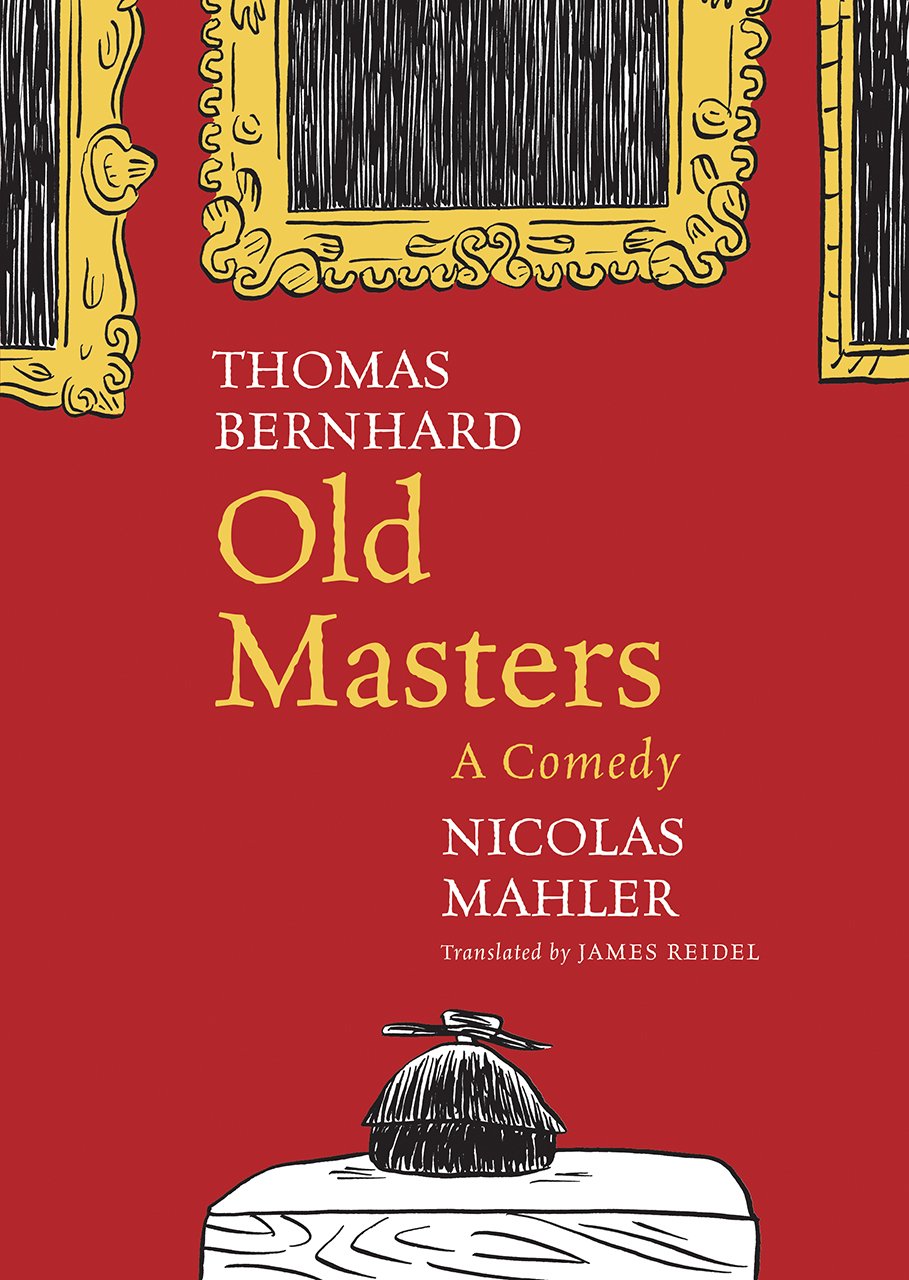
Thomas Bernhard's Old Masters has been called his "most enjoyable novel" by the New York Review of Books. It's a wild satire that takes place almost entirely in front of Tintoretto's White-Bearded Man, on display in the Kunsthistorisches Museum, as two typically Viennese pedants (serving as alter egos for Bernhard himself) irreverently, even contemptuously take down high culture, society, state-supported artists, Heidegger, and much more. It's a book built on thought and conversation rather than action or visuals. Yet somehow celebrated Austrian cartoonist Nicholas Mahler has brought it to life in graphic form and it's brilliant. This volume presents Mahler's typically minimalist cartoons alongside new translations of selected passages from the novel. The result is a version of Old Masters that is strikingly new, yet still true to Bernhard's bleak vision, and to the novel's outrageous proposition that the perfect work of art is truly unbearable to even think about let alone behold.
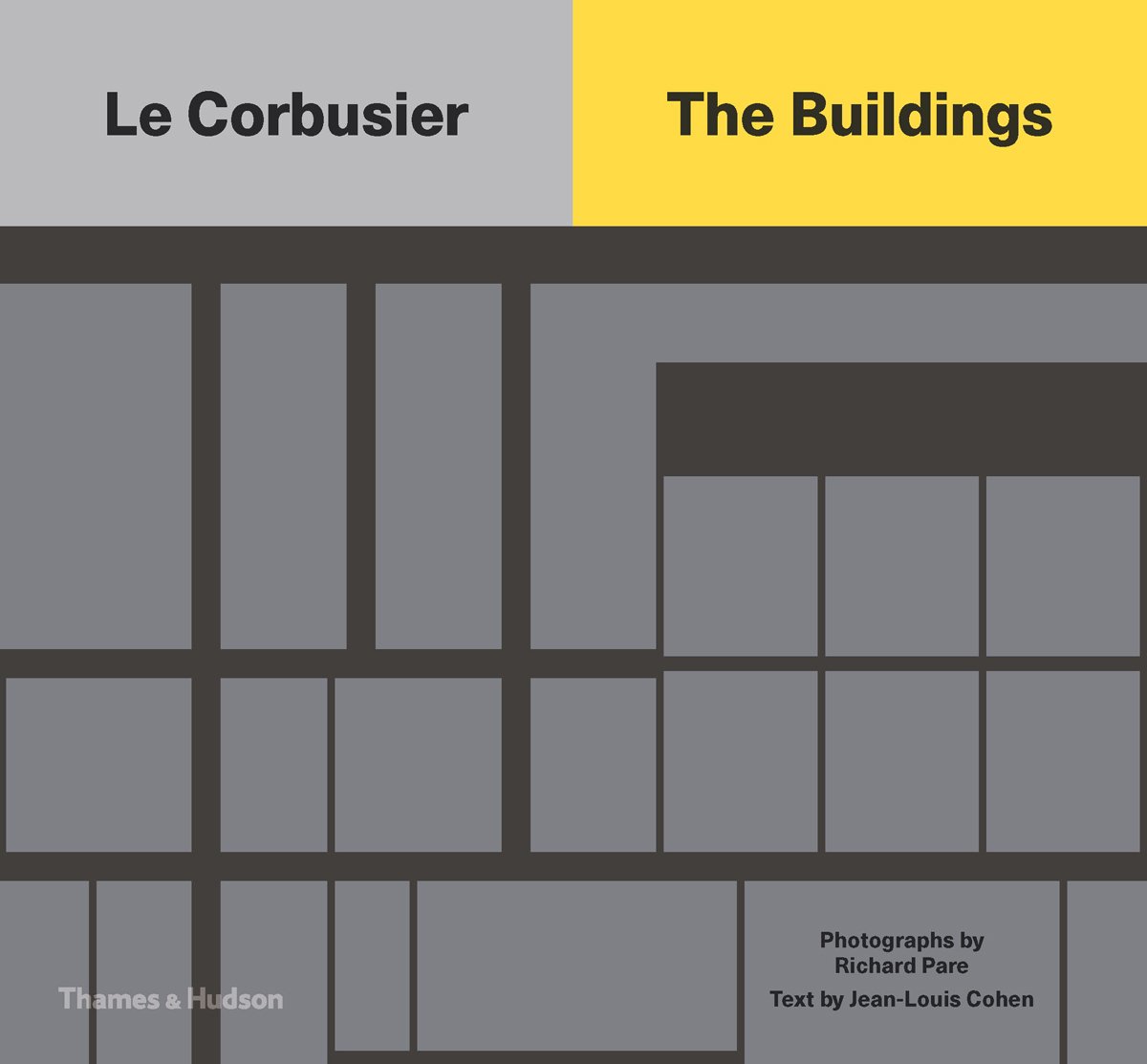
Le Corbusier is widely acknowledged as the most influential architect of the twentieth century. As extensively researched and documented as his works are, however, they have never been exhaustively surveyed in photographs until now. Photographer Richard Pare has crossed the globe for years to document the extant works of Le Corbusier – from his first villas in Switzerland to his mid-career works in his role as the first global architect in locations as far-flung as Argentina and Russia, and his late works, including his sole North American project, at Harvard University, and an extensive civic plan for Chandigarh, India. Le Corbusier: The Buildings provides numerous views of each project to bring a fuller understanding of the architect’s command of space, sometimes surprising use of materials and color, and the almost ineffable qualities that only result from a commanding synthesis of all aspects of design. With an authoritative text by scholar and curator Jean-Louis Cohen, Le Corbusier: The Buildings is a groundbreaking opportunity to appreciate the master’s work anew.Table of ContentsIntroduction • The Buildings
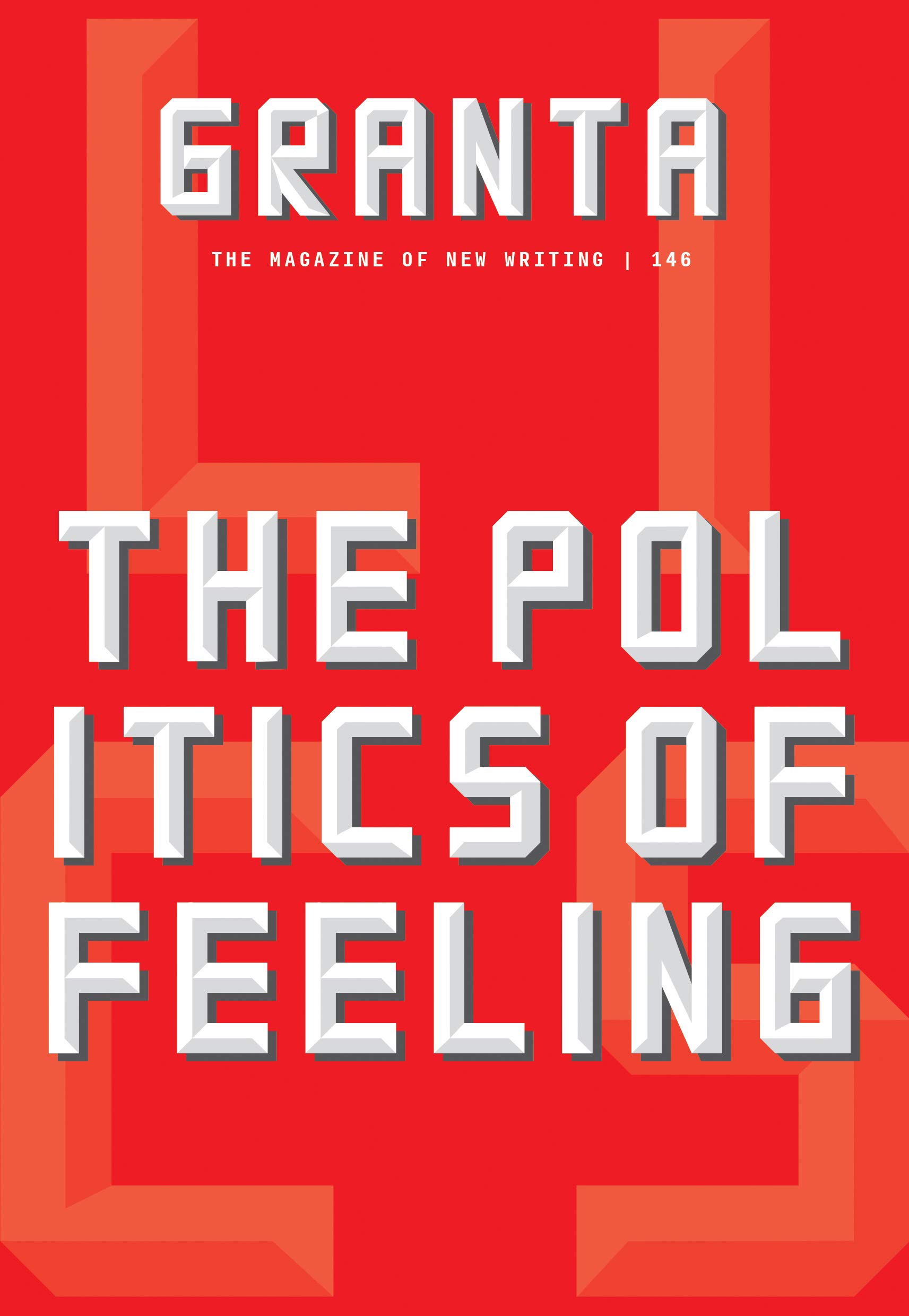
Granta 146 is guest-edited by Devorah Baum and Josh Appignanesi. We're living through hysterical times. Rage, resentment, shame, guilt and paranoia are everywhere surfacing, as is the intemperate adoration or hatred of popular but divisive public figures. Political discourse suffers when people seem to trust only what they feel and can no longer be swayed by reason or facts.If extreme feelings are a contagion within the political cultures of today, so too is the spread of a kind of affectlessness, as if we're starting to resemble the very technologies that threaten to replace us.Featuring vital new fiction, non-fiction, photography and poetry from across the globe, this issue is all about how our feelings make our politics, and how our politics make us feel.Adam Phillips, in conversation, analyses politics in the consulting room David Baddiel probes the outrage of life online Yvonne Adhiambo Owuor witnesses devastation Anouchka Grose on becoming a social justice warrior Peter Pomerantsev unearths his data profile to conduct sentiment analysis Poppy Sebag-Montefiore on China's public sense of touch Fabian Martinez Siccardi on growing up in Patagonia Margie Orford explores shame in South Africa Josh Cohen inspects his own apathy Hisham Matar reflects on Joseph Conrad and Edward Said Hanif Kureishi on Keith Johnstone and Keith Jarrett William Davies on affective politics Chloe Aridjis revisits the wild nights of her teenage years in Mexico City PLUS FICTION: Benjamin Markovits, Olga Tokarczuk and Joff WinterhartPOETRY: Alissa Quart and Nick Laird PHOTOGRAPHY: Diana Matar, introduced by Max Houghton
113.675 produse din 7 magazine partenere. Caută, filtrează și alege ce ți se potrivește.
Produse din
Tu alegi,
Idei pentru o viață